How to Create a Discbound Planner to Sell
A practical guide to designing, printing, and selling your own refillable discbound planner.
A discbound planner is one of the most appealing formats you can sell. Pages lift off the discs and snap back into place, so a buyer can add, remove, and rearrange sections to make the planner their own. That flexibility is exactly what a growing audience of planner users is looking for, and it gives you something most planners cannot: a reason for the same customer to come back and buy more.
This guide walks through how to design a discbound planner from a blank idea to a finished product you can sell, including the decisions that matter most and the specifications you will need to hand to a printer. Discbound is also written disc bound or disc binding, and all three refer to the same refillable system covered here.
Why discbound is a smart format to sell. Because the pages are refillable, a discbound planner is not a one-time purchase. Once a customer owns the cover and disc system, they can come back for new inserts, dated refills, and add-on sections season after season. That turns a single sale into a relationship and gives you a natural way to build recurring revenue around one product line.
What You Will Decide Along the Way
Creating a discbound planner comes down to a handful of choices: who it is for, what size it should be, how the pages are designed, what the cover looks like, which discs hold it together, and how you will keep selling to the same customer over time. The steps below take them in order.
1
Define who the planner is for
Before any design work, get specific about the buyer and the job the planner does for them. A daily planner for busy parents, a 90-day goal planner for a coaching program, a lesson planner for teachers, and a fitness journal are all discbound planners, but they look and sell very differently. The clearer you are about the audience and the single problem the planner solves, the easier every later decision becomes, from page layout to price.
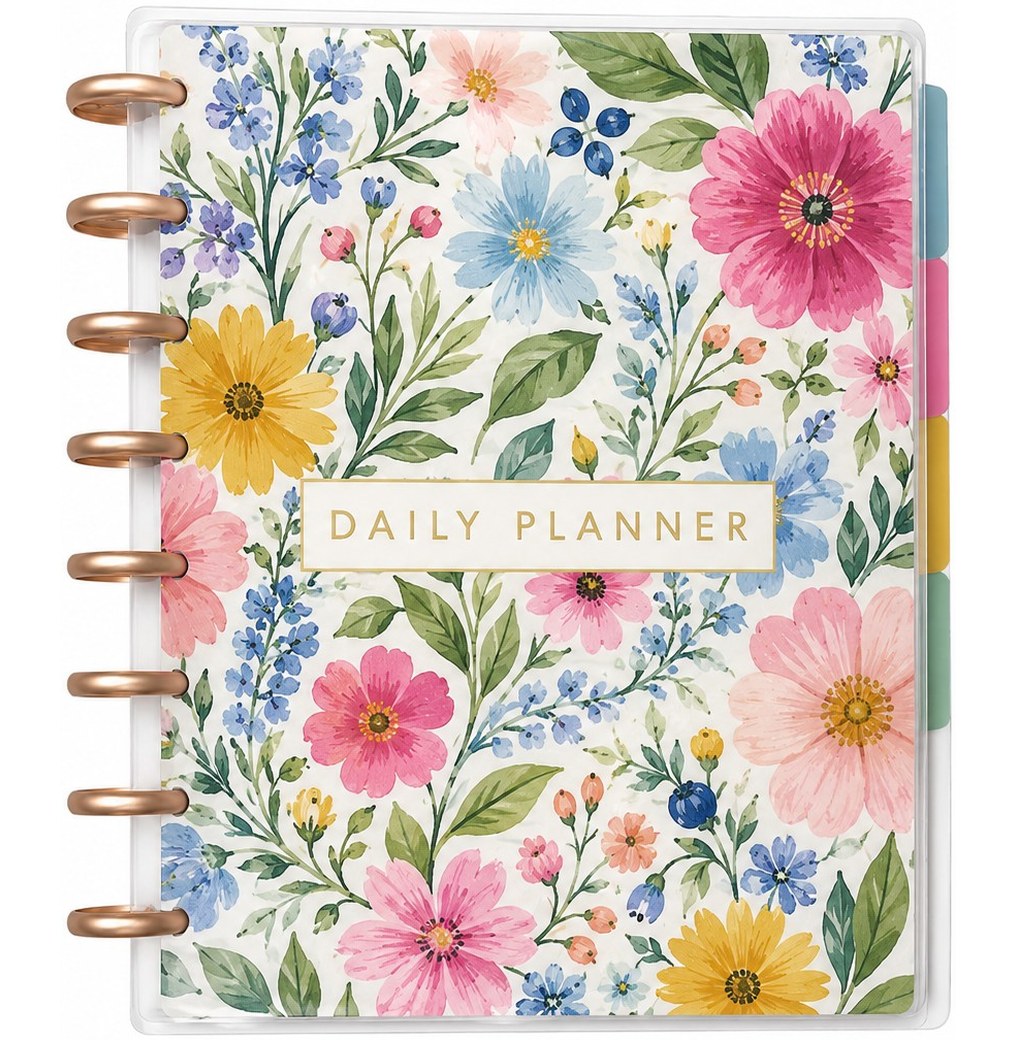
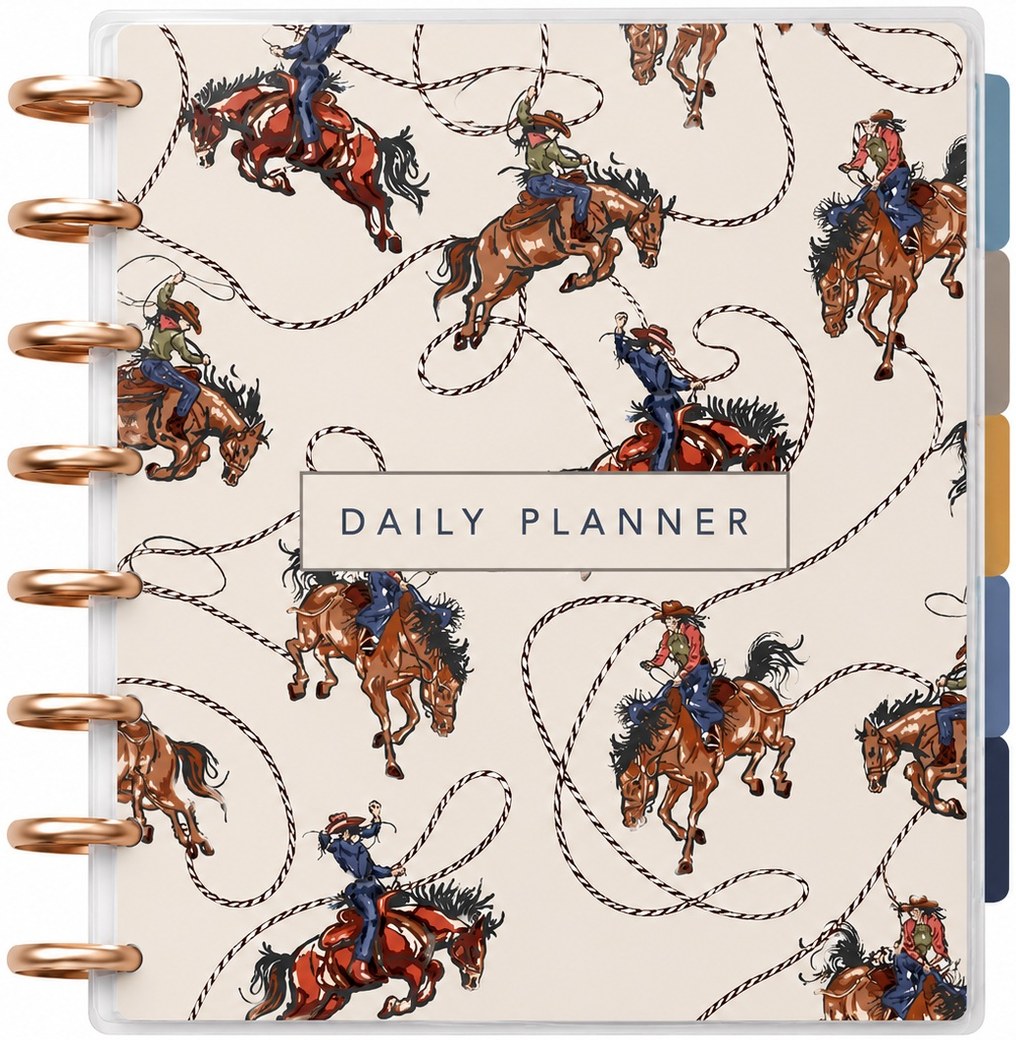
The same discbound format and durable 10mil laminated cover, designed for two very different audiences.
2
Choose your page size and disc capacity
Size sets the feel of the planner and how much fits on a page. Smaller sizes are portable and sit well in a bag. Larger sizes give room for detailed daily layouts. The number of discs along the edge depends on the page height, and the disc diameter sets how many pages the planner can hold.
Page Sizes
- 4.625 x 7 (7 discs)
- 5.5 x 8.5 (8 discs)
- 7 x 9.25 (9 discs)
- 8.5 x 11 (11 discs)
Disc Capacity
- 1/2 inch: 50 to 70 sheets
- 3/4 inch: 90 to 120 sheets
- 1 inch: 110 to 150 sheets
- 1.5 inch: 140 to 220 sheets
A practical tip: leave room to grow. If you plan to sell refills and add-on sections, choose a disc size with capacity to spare so a customer can keep adding pages without running out of room.
3
Design your pages as print-ready files
Lay out your interior pages to your final trim size, and design them yourself or with a designer you hire so you arrive with print-ready PDF files. The one detail unique to discbound is the punch margin: leave a slightly wider inside margin along the bound edge so no content is lost where the pages are punched for the discs. Keep important text and artwork clear of that edge.
Plan your color use deliberately, because it affects your cost and your margin. A planner with full-color section dividers and cover, plus black and white daily and weekly pages, costs noticeably less to produce than one printed entirely in color. You only pay for the pages that print in color, so mixing the two is one of the easiest ways to keep your per-unit cost down without giving up visual impact.
4
Choose your covers
The cover is the first thing a buyer sees and a major part of the perceived value. Discbound works with a range of cover styles, so you can match the cover to your price point and audience.
Cover Options
- Softcovers
- Softcovers with frosted poly overlays
- Board covers
- Laminated covers
- Poly paper
A 10mil laminated cover or board cover holds up to daily handling and signals a premium product. A frosted poly overlay adds a soft, protective top layer over your printed cover. Match the cover to how long the planner needs to survive in a bag and the price your audience expects to pay.
5
Decide on your discs
Discs come in many sizes, colors, and materials, and they are widely available from online retailers, so you choose the exact look you want rather than being limited to one supplier's stock. Vervante punches your pages, and you can send your discs to be bundled with the punched content before everything ships, so your customer receives a finished, ready-to-use planner.
If your audience already uses a popular disc system such as Levenger or Arc, pages can be punched to work with it. Disc systems vary in spacing, so confirm which system you are designing for. One important note: Happy Planner uses a different, wider punch pattern than Levenger and Arc, so a planner built for one of those systems will not fit Happy Planner discs, and the reverse is also true. Decide early which ecosystem your planner belongs to, because it shapes which refills and accessories your customers can use.
6
Plan refills and add-ons from the start
This is the step that turns a planner into a product line. Because discbound pages are refillable, you can sell the same customer far more than the original planner. Design with that in mind: dated refill packs for each new quarter or year, themed insert sections such as habit trackers or project pages, blank note refills, and accessories like printed dividers or pockets. When you design the first planner, sketch the refills you will offer next, so the formats and sizes line up and a customer can keep building on what they already own.
7
Get it printed, punched, and ready to sell
Once your files are ready, Vervante prints your interior and cover, punches the pages for disc binding, and can bundle in your discs so the finished planner is ready for your customer. You can start with a small run to test your design and scale up as demand grows, and warehousing and fulfillment are available so orders can ship directly to your buyers without you handling each one. Order a sample first so you can see and feel the covers, paper, and punch before you commit to a full run.
A Few Things That Help Discbound Planners Sell
Lead with the refillable advantage in your product listing, because it is the reason many buyers choose discbound over a fixed planner. Show the planner open and lying flat, and show pages being moved, so the flexibility is obvious. Offer a clear path to refills so customers know they can come back. And price the cover-and-first-insert bundle as the entry point, with refills as the repeat purchase that follows.
Frequently Asked Questions
Is discbound the same as disc binding?
Yes. Discbound, disc bound, and disc binding all describe the same refillable system, where pages are punched to hang on a row of discs and can be added, removed, and rearranged at any time. The one-word spelling discbound is the most common way buyers search for it.
Do I need special equipment to make a discbound planner to sell?
No. You design the pages and choose your covers and discs, and Vervante punches your pages for the disc system. You do not need to buy a punch or any specialty equipment to produce a planner you can sell.
Can pages be punched to work with Arc or Levenger discs?
Yes. If your audience uses a popular disc system such as Levenger or Arc, pages can be punched to work with it. Confirm which system you are designing for when you request a quote, because disc systems vary in spacing.
Will my planner work with Happy Planner discs?
Happy Planner uses a different, wider punch pattern than Levenger and Arc, so pages punched for one will not fit the other. Decide which system your planner is built for before you design it, so your refills and accessories stay compatible.
How many pages can a discbound planner hold?
Capacity depends on the disc diameter. Half-inch discs hold 50 to 70 sheets, three-quarter-inch discs hold 90 to 120 sheets, one-inch discs hold 110 to 150 sheets, and one-and-a-half-inch discs hold 140 to 220 sheets.
Can I start with a small quantity?
Yes. You can start with a small run to test your design and scale up as demand grows. Ordering a sample first lets you see the covers, paper, and punch before you commit to a larger order.
Ready to Start Your Discbound Planner?
Whatever stage you are at, here is where to start.
Learn more about our punching for disc binding service, or explore custom planner and journal printing.